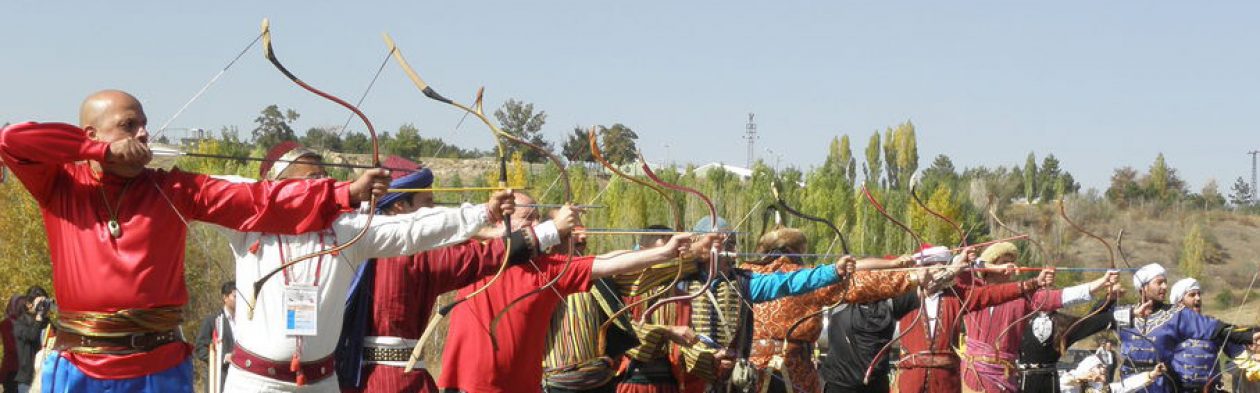
Разводзяць коней найбольш эфектыўным конных лучнікаў былі выкарыстаныя для
выпас жывёлы ў адрозненне ад коней, якія неабходныя збожжа, каб карміць. Такім чынам
арміі гунаў, Мадзьяры, Манголы, і г.д.. не патрэбныя каляскі для выканання
ежу для сваіх коней, што робіць іх больш мабільнымі, чым іншыя арміі.
Больш за тое, Еўрапейскія лучнікі выкарыстоўвалі арбалеты, , Якія былі вельмі павольна
перазагружаць (2-3 стрэлаў у хвіліну, у адрозненне ад 15-20 Стрэлаў) і немагчымае
выкарыстоўваць падчас язды на кані.
Tag Archives: Стральба з лука гісторыі
Еўрапейскі Стральба з лука
Еўропа
Энергіі захоўвання рэфлекс лука загибаться таму была ўведзена ў Еўропу
Арпад і яго вялізнай арміі кваліфікаваных воінаў Magyar ў VI-VIII
стагоддзяў. Па-відаць, Венецыя была пабудавана на вадзе, так што Venitians
можа захоўваць нарабаванае скарбы з мадьяр. Аднак, большасць
скарб Мадьяр меліяраваных і старажытную радзіму вызваленых
вопытным дзякуючы Magyar воінаў часткова пашыраны загибаться таму
лук. Ён узяў тысяч гадоў для захаду на зламіць дух
Magyar воінаў і вынаходзіць ваеннай тэхнікі вышэй старажытных
верхам вайны.
Іронія, Еўропа і царства Magyar быў амаль разбураны
Мангольскія войска на чале з Чингис-хана ў трынаццатым стагодзьдзі, у сувязі
Той факт, што кароль Magyar, Бела, у асноўным занятыя нямецкія салдаты на
Тады.
Азіяцкі Стральба з лука
Азія
Хоць стральба з лука была даведзена да дасканаласці на Блізкім Усходзе для таго, каб весці вайны
больш эфектыўна, яно паступова стала мастацтва медытацыі на Далёкім
Ўсход. Першапачаткова, Японскія самураі былі майстэрскімі лучнікамі, перш чым яны
пачалі выкарыстоўваць для баявых мячоў і лукаў для духоўнага прагрэсу.
Японскія лукі асіметрычны з кароткай ніжняй і значна
больш верхняй. Яе прыцягнуць даўжыня складала каля 40 цаляў. Гэта як побач з бескарысным
у баі, але ён быў выкарыстаны ў якасці інструмента фізічныя практыкаванні і
медытацыя. Стральба з лука стала спосаб практыкі Дзэн і быў названы
Кюдо, кю лук значэнне і сэнс рабіць дарогі.
Арчер Нацый
Егіпецкія Стральба з лука
Стральцы былі вельмі паважалі старажытныя егіпцяне, Хеты,
Асірыйцы, Персы, і г.д.. Егіпцяне былі першымі майстрамі
шыі лука, кваліфікаваныя лучнікі былі выкананы і прыблізна высокіх рангаў ў
грамадства. Неўзабаве лук лічыўся амаль міфічнай часткі
абсталяванне. Фараон Рамзес II быў дасведчаны лучнік, яго войска залежаў
у асноўным на вокамгненную калясьніц ўстаноўлены лучнікамі. Іх лукі былі
вельмі падобныя на тыя, хеттов і асірыйцаў. Свабодны, гэтыя
лукі выглядала так, быццам яны былі зламаныя, у той час як падрыхтаваўся яны ўтварылі дасканалы
паўкола.
Рамзес’ Гісторыкі сцвярджаюць, што егіпецкі лук быў вышэй
Хеттское лук, хоць гэтая інфармацыя павінна разглядацца як
сумнеўны, З Рамзеса занятых кваліфікаваным абанентаў у мэтах стварэння
Сам рэспектабельны імідж.
Грэкі і стральбе з лука
Старажытныя грэкі лічылі сваім богам, Апалон, выдатны лучнік,
які прадставіў стральбе з лука у грэкі. Першыя Алімпійскія гульні прыкметах
ахвяру Гераклу, 1. грэцкіх лучнікаў, але яны лічацца
стральба з лука спорт і не зразумеў, ваеннае значэнне з лука.
Пазней занадта, Рымская армія была заснавана на іх цяжкую пяхоту і
лічыцца стральба з лука як сродкі фізічнага практыкаванні.
Першыя конныя лучнікі ў гісторыі былі асірыйцы. Да гэтага,
калясьніцы патрабуецца два чалавека для працы, Той, хто звяртаўся з канём(з)
і калясьніцы і той, хто страляў з лука. Першы лучнікі верхам
напалі ў малых групах, верхавая язда вельмі блізка адзін да аднаго.
Скіфы і Сірыйцы і стральбе з лука
The Скіфы і Сірыйцы былі прыроджаныя лучнікі верхам. Іх
невялікія кампазітныя лукі былі ідэальнымі для выкарыстання ва час ўстаноўлены. Яны маглі б
імкнуцца да пярэдняга, левыя і нават заднюю частка каня, выкарыстанне
Parthus тэхнікі. Тэхнікі стральбы з Parthus зараз
вядомы як "бывай стрэл". Яны выкарысталі вялікі палец кольцы для малявання
радком, і гэта дазволіла ім страляць столькі разоў, колькі яны хацелі
, Не падвяргаючы свае пальцы да траўмаў. Вялікі палец кальцо мантажу
Лучнік заявіў аб сваім вайсковым званні занадта.
Рымская стральбе з лука
Той факт, што Рымская імперыя была лёгка руйнуецца плямёнаў
з усходу з'яўляецца доказам іх ваеннага перавагі і
Асабліва эфектыўнасць стральбы з лука верхам. Іх мабільнасць
дазволіла ім наблізіцца да ворага, страляць, перазагрузіць і страляць зноў у
Тым часам падтрымання на бяспечнай адлегласці ад цяжкай пяхоты суперніка.
У пятым стагоддзі A.D. Рымляне зразумелі, наколькі шырокая і кваліфікаванага
Хун армія ўяўляе пагрозу для сваёй імперыі і прапанаваў Гуны вялікі
сумы грошай для таго, каб трымаць іх у страху. Падчас рымскай эпохі
магілы ў Уэльсе часам змяшчаецца Хун лукаў, якія былі дадзены
мясцовых валійскіх салдат рымляне, так як яны не маглі зразумець,
як правільна іх выкарыстоўваць.
Азіяцкія краіны стральба з лука верхам
The Хун лука асіметрычнай, што дае дадатковыя хуткасць, каб стрэлка.
Мангольскі лук быў stringpads для павышэння эфектыўнасці, у той час як Турэцкія лукі
былі вельмі хутка з-за іх найвышэйшай C-формы. Карэйцы інжынерыі
самыя перадавыя, стане сучасных лукаў, створаны і сёння
старажытныя стандартам. Аднак, іх О-вобразных лукі занадта складанай
для вядзення вайны выкарыстання.
Грэкі і рымляне, і стральба з лука
У той час як грэкі і рымляне не разумеюць важнасць
стральба з лука верхам, немцы і скандынавы вісеў невялікі лук вышэй
калыскі немаўлятаў мужчынскага полу, каб падняць іх дух.
Вікінгі і стральбе з лука
Гэта меней вядомы факт, што вікінгі выкарыстоўвалі лукі, аднак
прымітыўны, акрамя сякеры і меча. Іх лукі нагадвалі вельмі
простым і лёгкім ў выкарыстанні саксонскага лука, вядомы сёння як лук.
На працягу двух стагоддзяў, Вікінгі былі Брытанскія выспы ў аблозе,
захоп і выканання кароль Эдмунд ў 870 A.D. Яны прывязалі яго да
Дрэва і Viking лучнікаў застрэлілі яго такім, калі ён быў
адшпіліў ён заставаўся прыбітыя да дрэва. Месца выканання
вядомы сёння як Санкт-. Эдмунд жанчын.
Вытокі
Паходжанне
Амаль кожны з людзей Зямлі выкарыстоўвалі лукі ў іх гісторыі і
асобных канструкцый лука былі вынайдзеныя ва ўсім кантынентах
з адзіным выключэннем Аўстраліі. Гэта адзін з самых старажытных
зброю, выключны прыклад старажытных вынаходак, інжынерна-
майстэрства. Выкарыстаньне лука пацярпелых паўсядзённым жыцці. Шмат
літаратуры было напісана аб ім. Лукі выкарыстоўваюцца для вызначэння вынікаў
войнаў. Гэта было цуд інжынернай думкі ў параўнанні з яго папярэднікам, the
шчупак.
Дакладнае месца і час паходжання лук, незразумела. На паўночным
Афрыка 10000 гадовы наканечнікі стрэл былі знойдзеныя.
Нашы продкі выкарыстоўвалі жывёл кішачнік прыкласці стрэлкі з
Стрэлкі. Таксама выкарыстоўваецца той жа матэрыял для радка. Першыя лукі
былі ў асноўным галіны дрэў выгінаюцца і фіксуюцца з дапамогай радка.
Пячора graffitis адлюстраваць паклон, як частка абсталявання палявання.
Пазней, калі нашы продкі размнажаліся і, верагодна, часам ваявалі
адзін з адным за панаванне, лепш лук звычайна маюць на ўвазе рэцэпт
перамога. Першым чалавекам, мы ведаем, быў забіты разам з лукам каля пяці
Тысячу гадоў таму быў Ötzi, Iceman, знойдзены замерзлым ў ледніку
Альпаў.