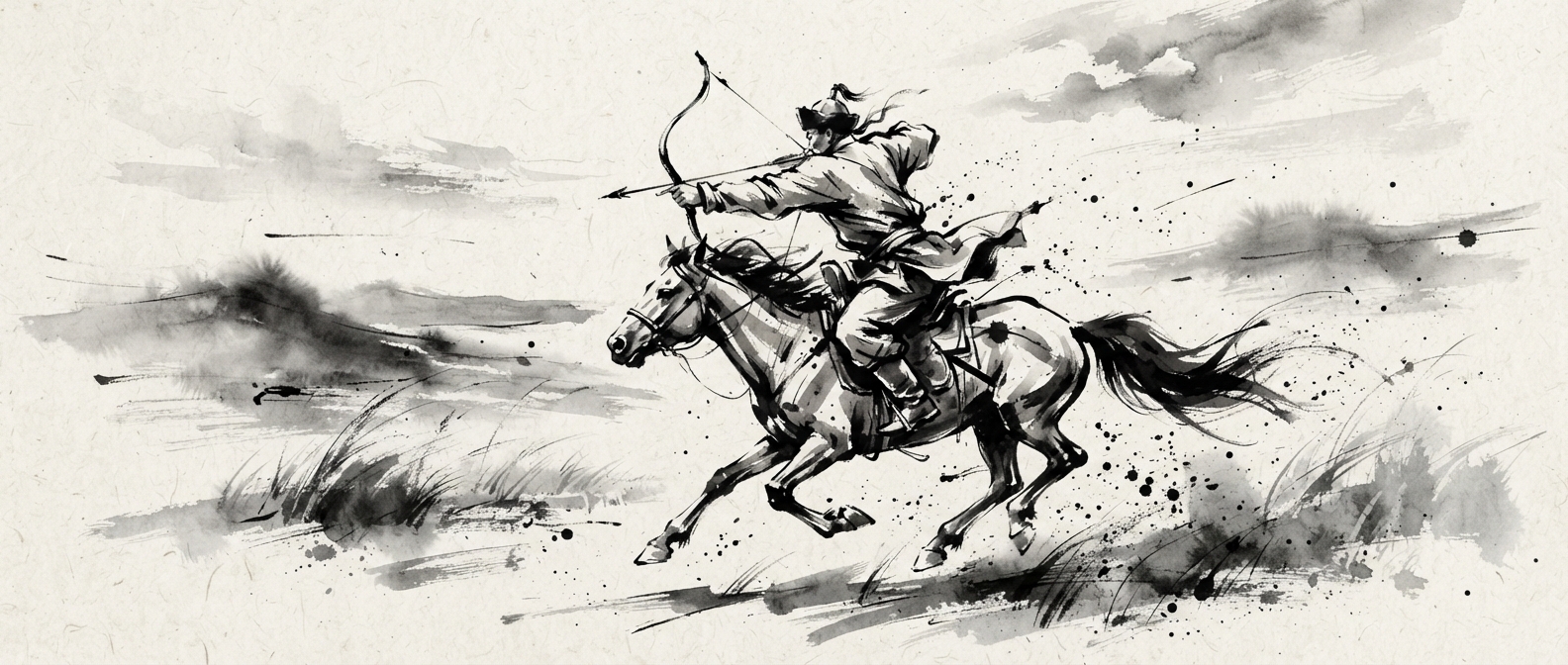
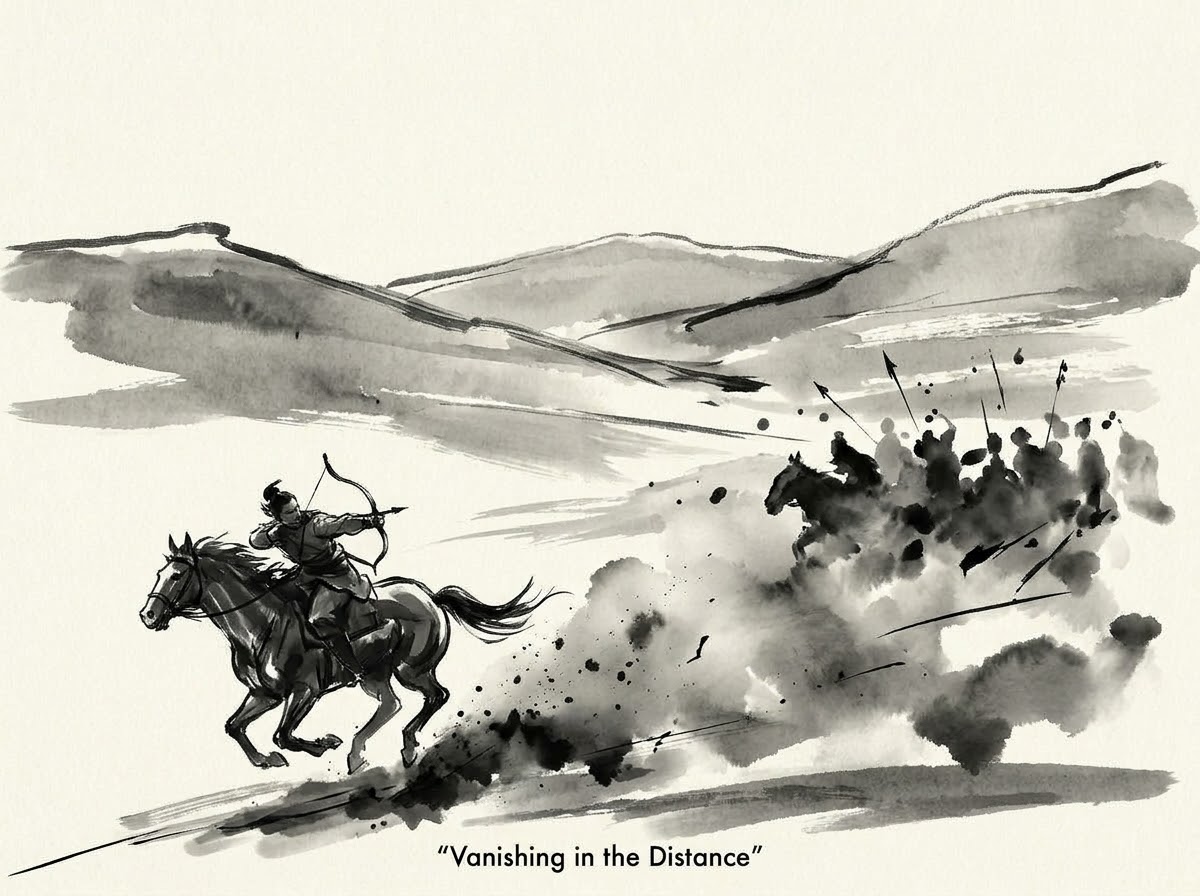
Mounted archery was not the invention of a single people. Archaeology, genetics and written sources show a long, many-centred development on the Eurasian steppe, from the first horse herders to the great nomad empires and the court rituals of Korea and Japan.
Three stages
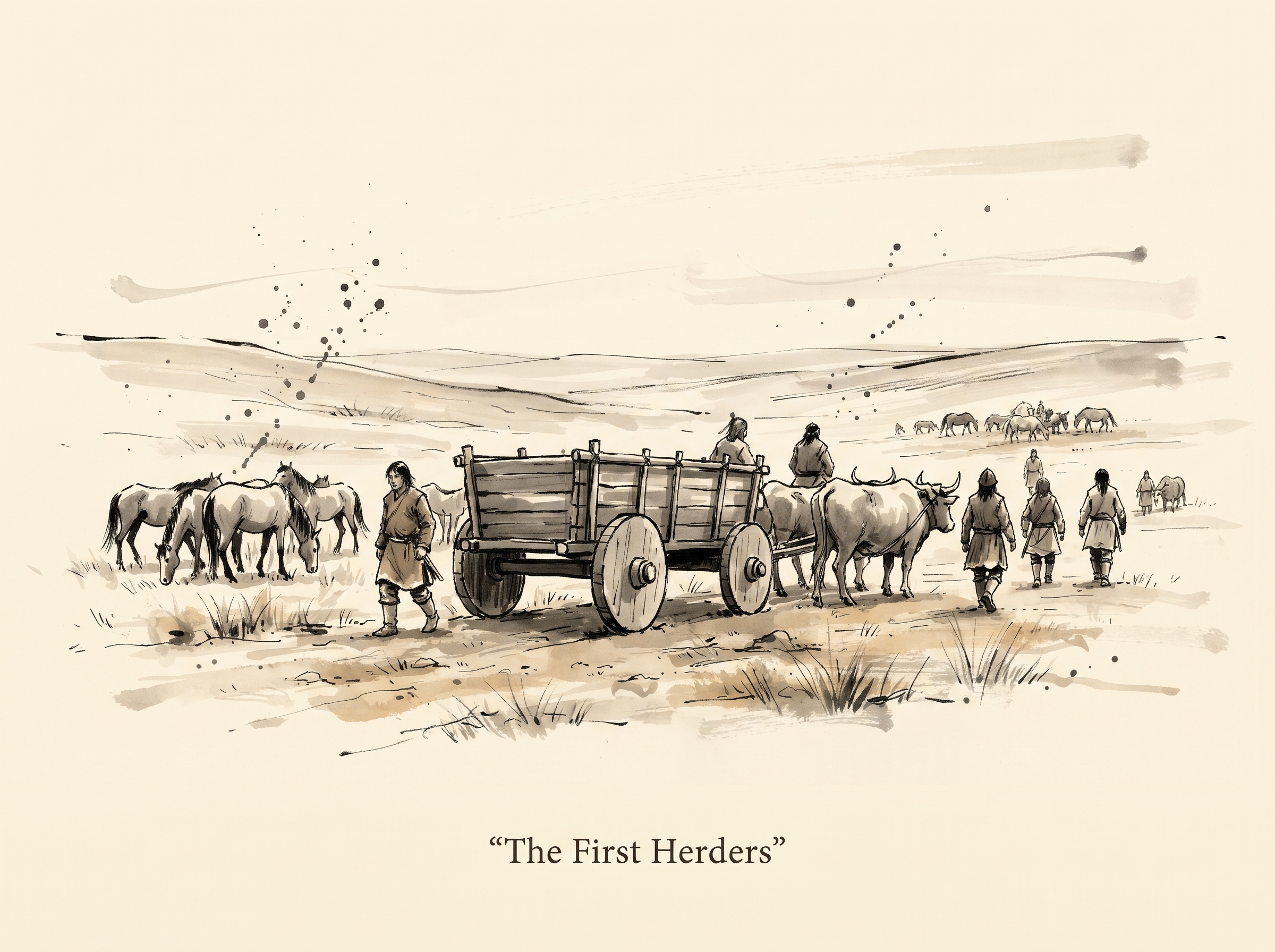
Researchers separate three things that are often blurred together: the early use of horses (Botai, about 3500 BC, strongly disputed), the domestication of the horse lineage we ride today together with the chariot age (about 2200–1700 BC), and mounted archery as a military system, which becomes visible in the early Iron Age on the Scythian horizon (Arzhan 1 in Tuva, late 9th to early 8th century BC).
One line of development
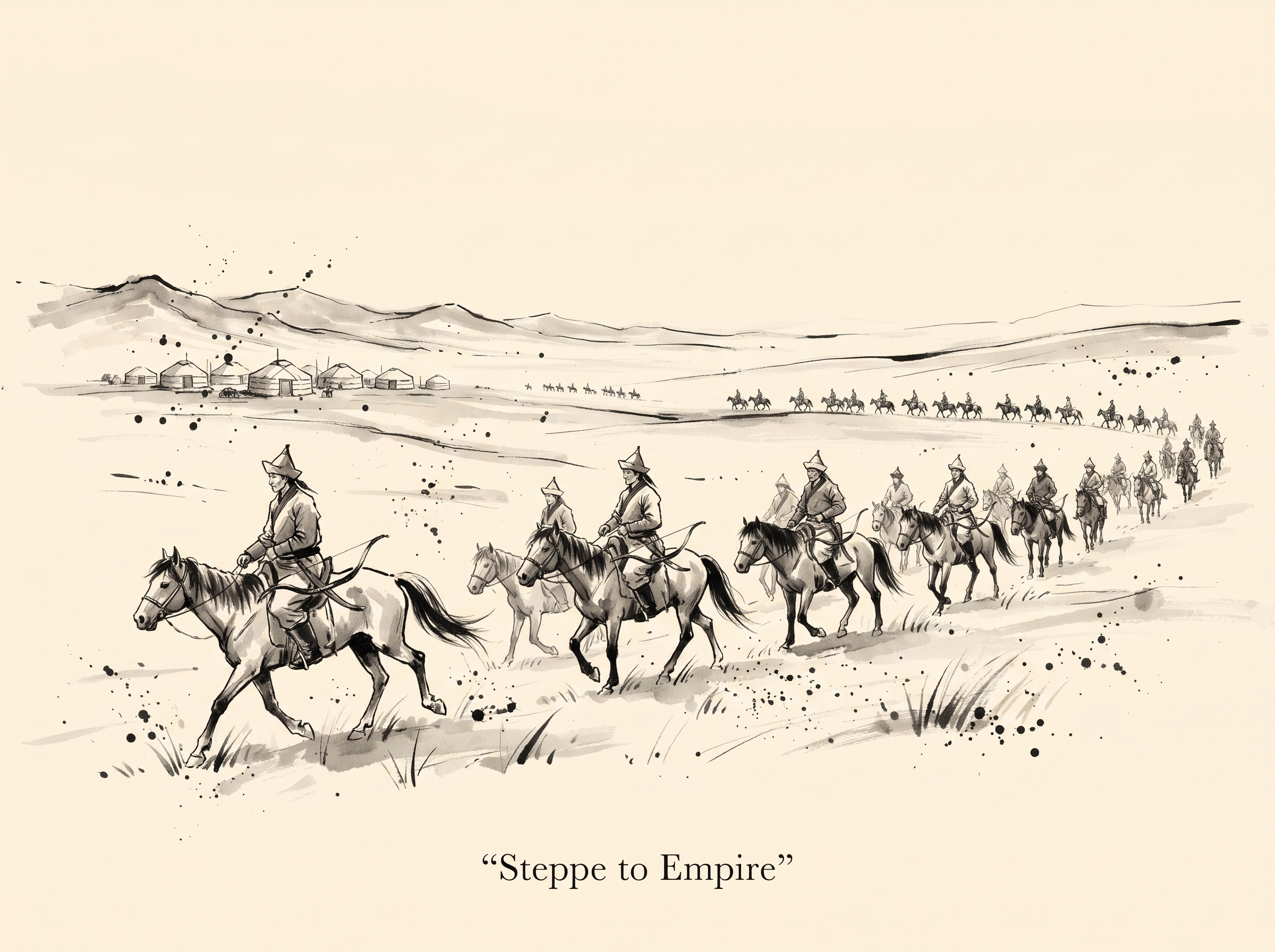
The bow tells the story best: from the short, asymmetric, sigma-shaped Scythian composite bow (60–80 cm) to the longer, bone-plated, asymmetric bow of the Hun period (120–160 cm), continued by the Avars and the conquering Hungarians. Among all of these, the 10th-century Hungarian material is the most thoroughly quantified.