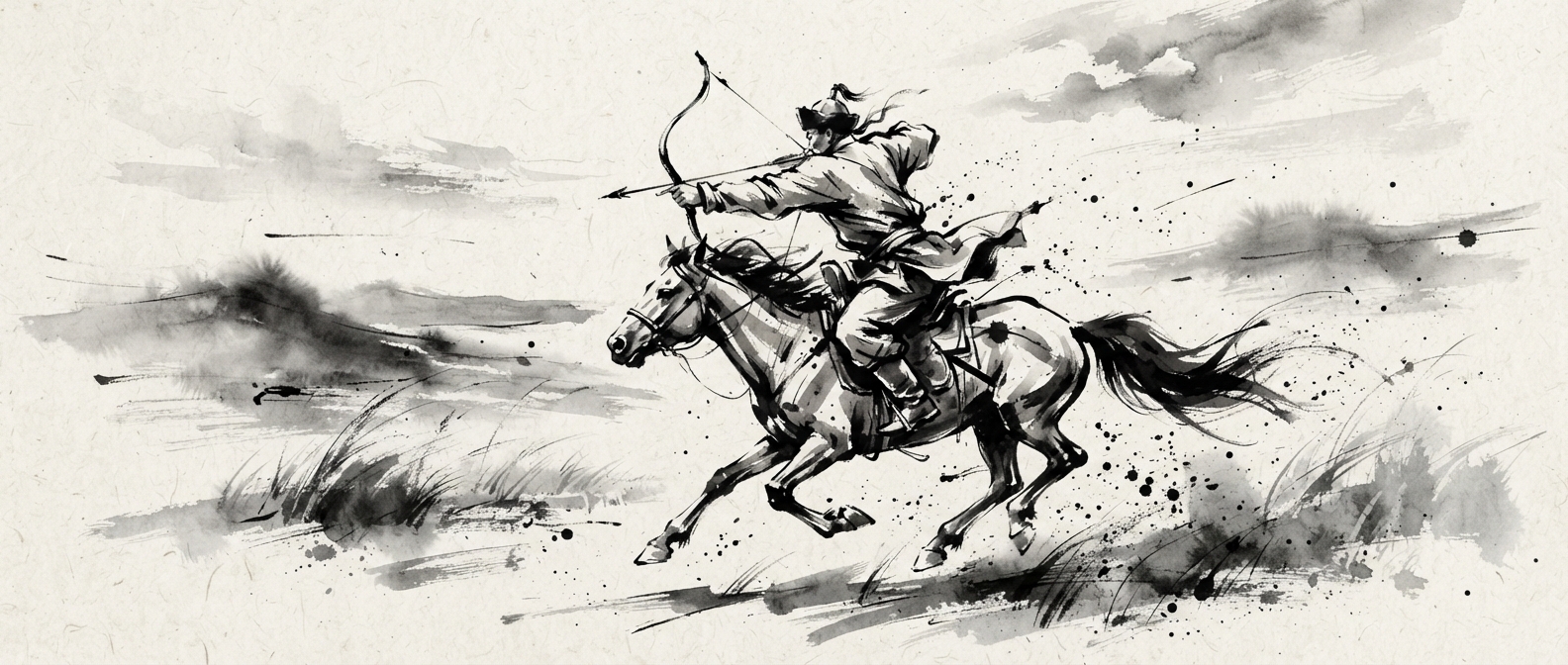
The 10th-century Hungarian finds are the best-quantified horse-archer material in Europe, and Hungarian experimental archaeology still argues lively about them.
The graves
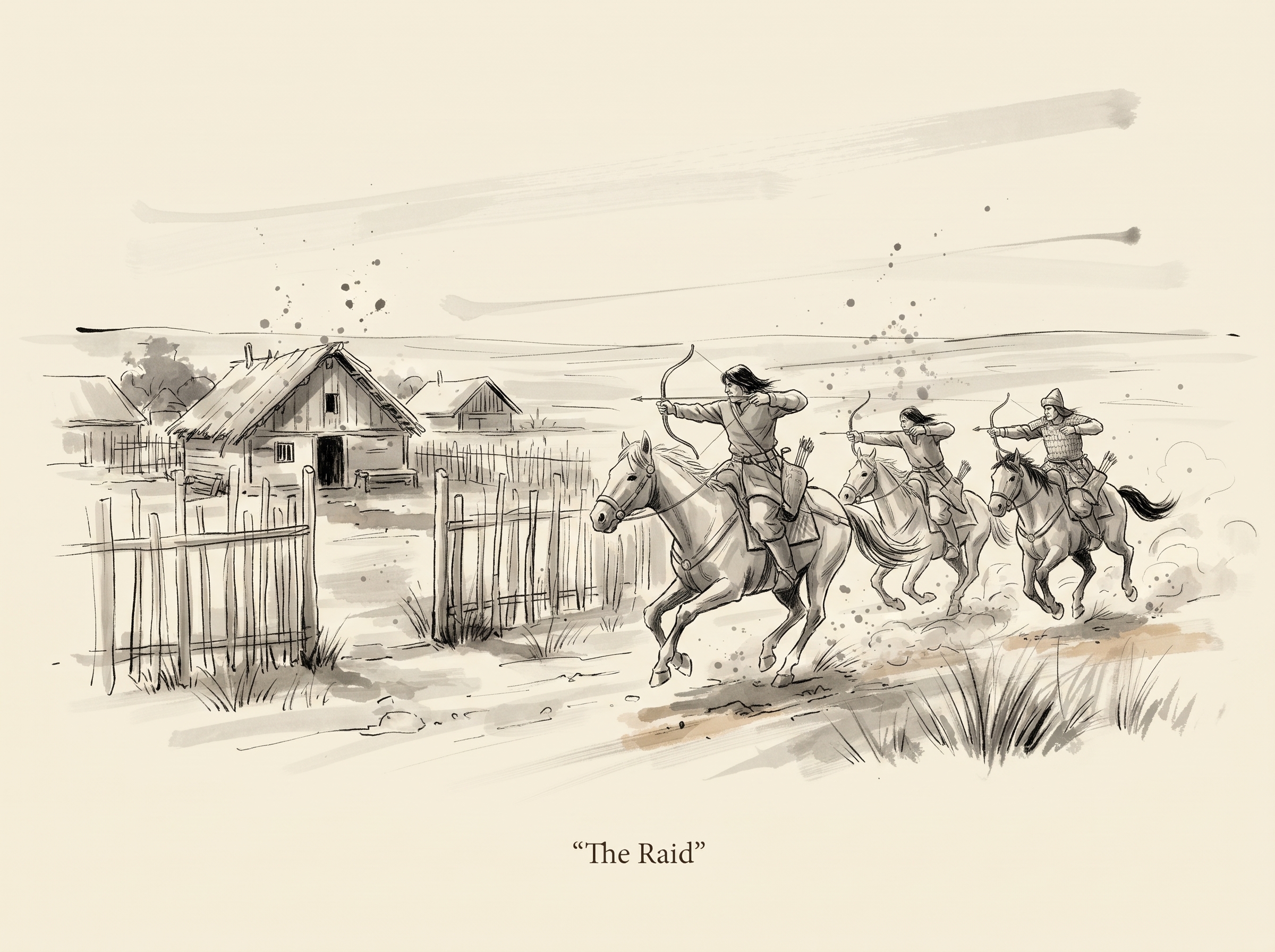
Balázs Tihanyi counts about 300 graves with bow plates; graves with other archery gear but no plates are several times more common. At Sárrétudvari-Hízóföld, 58 of 262 tenth-century graves held weapons, 28 contained quivers, 21 bow plates, and at least 150 arrowheads came from 51 graves. Other key sites include Karos, Kenézlő-Fazekaszug, Békés-Povádzug, Algyő, Vörs-Papkert B and Gnadendorf in Austria. As Tihanyi stresses, grave finds are the only evidence we have from this period.
Ready-strung bow cases
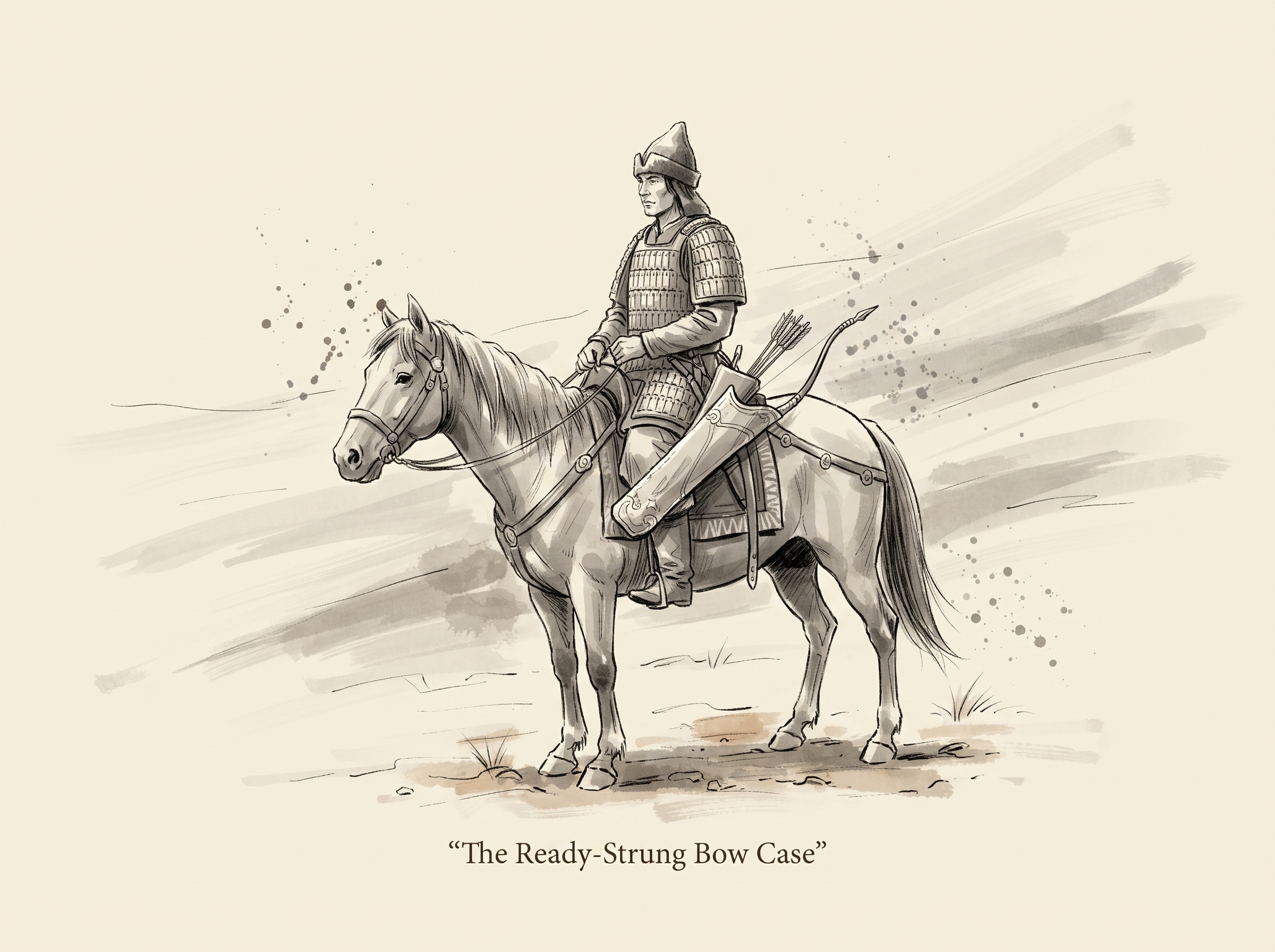
László Révész studied 17 suspension mounts and identified them as fittings of a case in which the bow was kept strung. The Karos II/52 case was 55–60 cm long, Karos III/11 65–70 cm, and the Karos II/60 bow is estimated at 125–130 cm. The owners belonged to the first two generations of the conquering Hungarians.
Bows, arrows, quivers
In Magyarok fegyverben (2015), Ádám Bíró notes that limb-end plates are usually 19–29 cm long and mostly thinner than 1.5 mm; the first fully archaeological reconstruction (2013, Magyarhomorog–Kónyadomb grave 103) had a draw weight of at least about 100 lb. Tibor Marx classified about 1,000 known arrowheads into types A–F, 50–140 mm long and 12–20 g in weight. Quivers were 70–86 cm long, held arrows point-up and carried about 15–20 arrows.
Raids
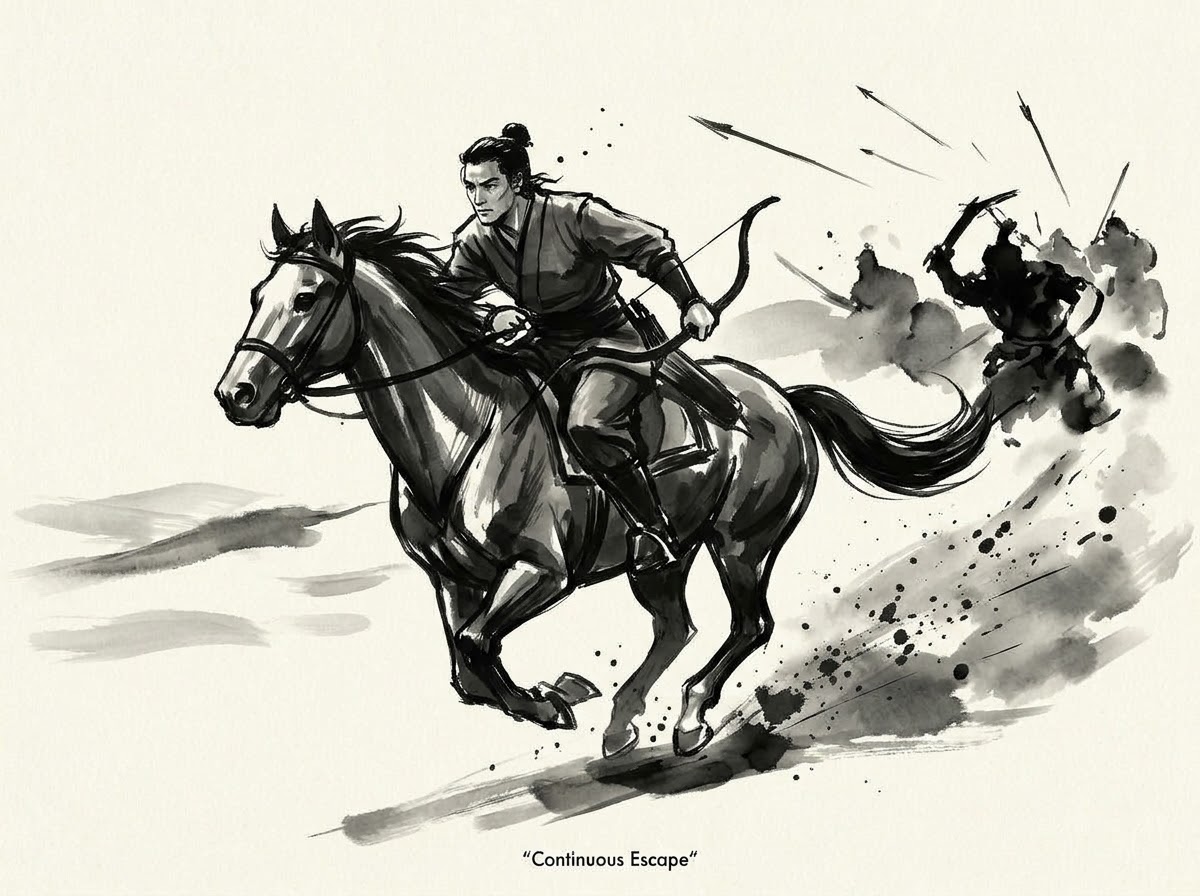
The same volume counts 39 documented campaigns between the Conquest and 955, and notes that at the battle of Augsburg (955) Conrad the Red was killed by an arrow.
