

The Avars settled in the Carpathian Basin in the second half of the 6th century and brought with them the largest early concentration of stirrups in Europe.
Bows and burial customs
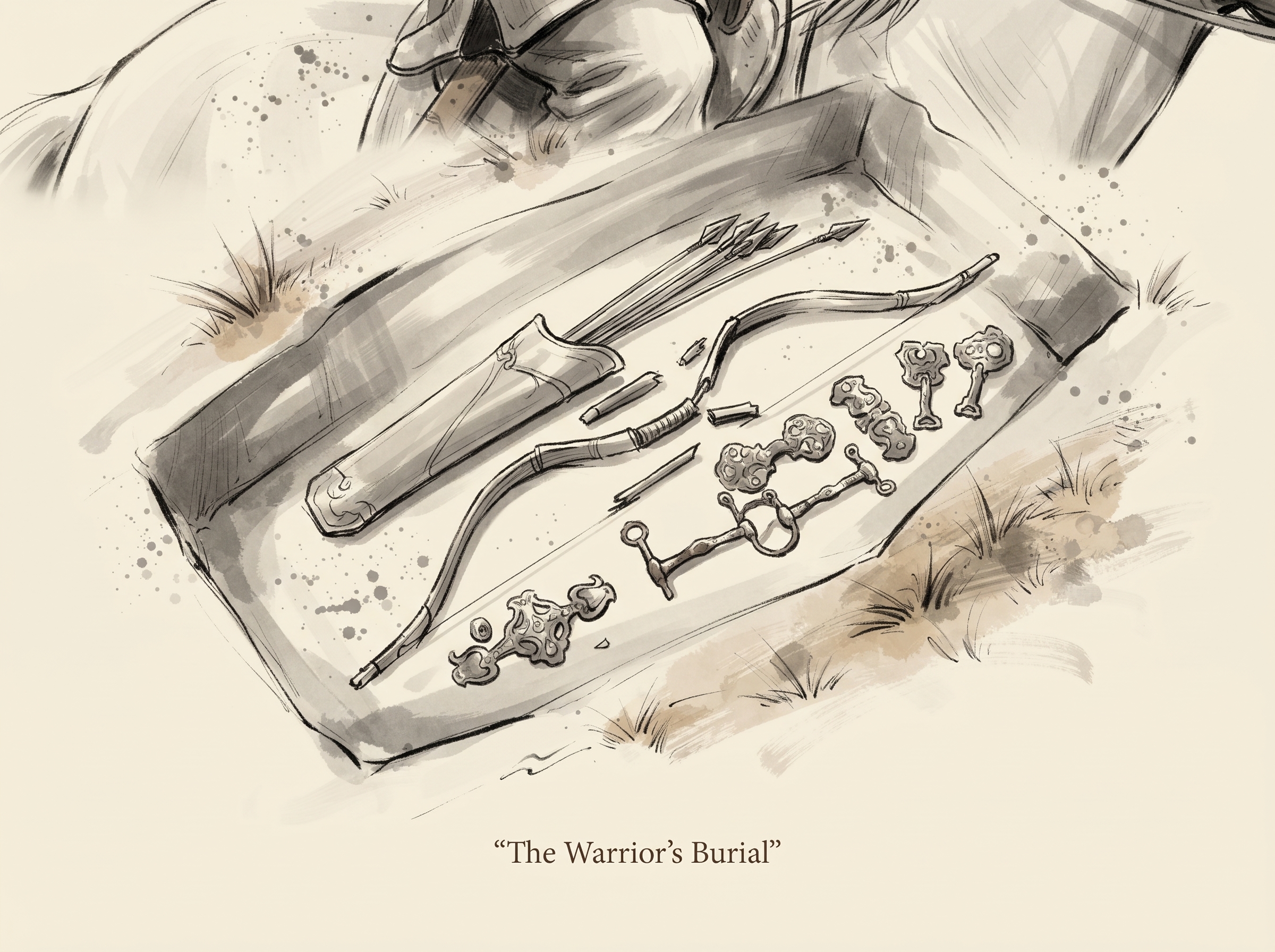
According to Gabriella Lezsák (2017), Avar-period bows developed from those of the Hun period. Bone-plated bows broken in two are found in Avar graves, and it is likely that a Hun-period burial custom survived into the last third of the 7th century; her case study is grave 32 at Kunszállás-Fülöpjakab.
Stirrups
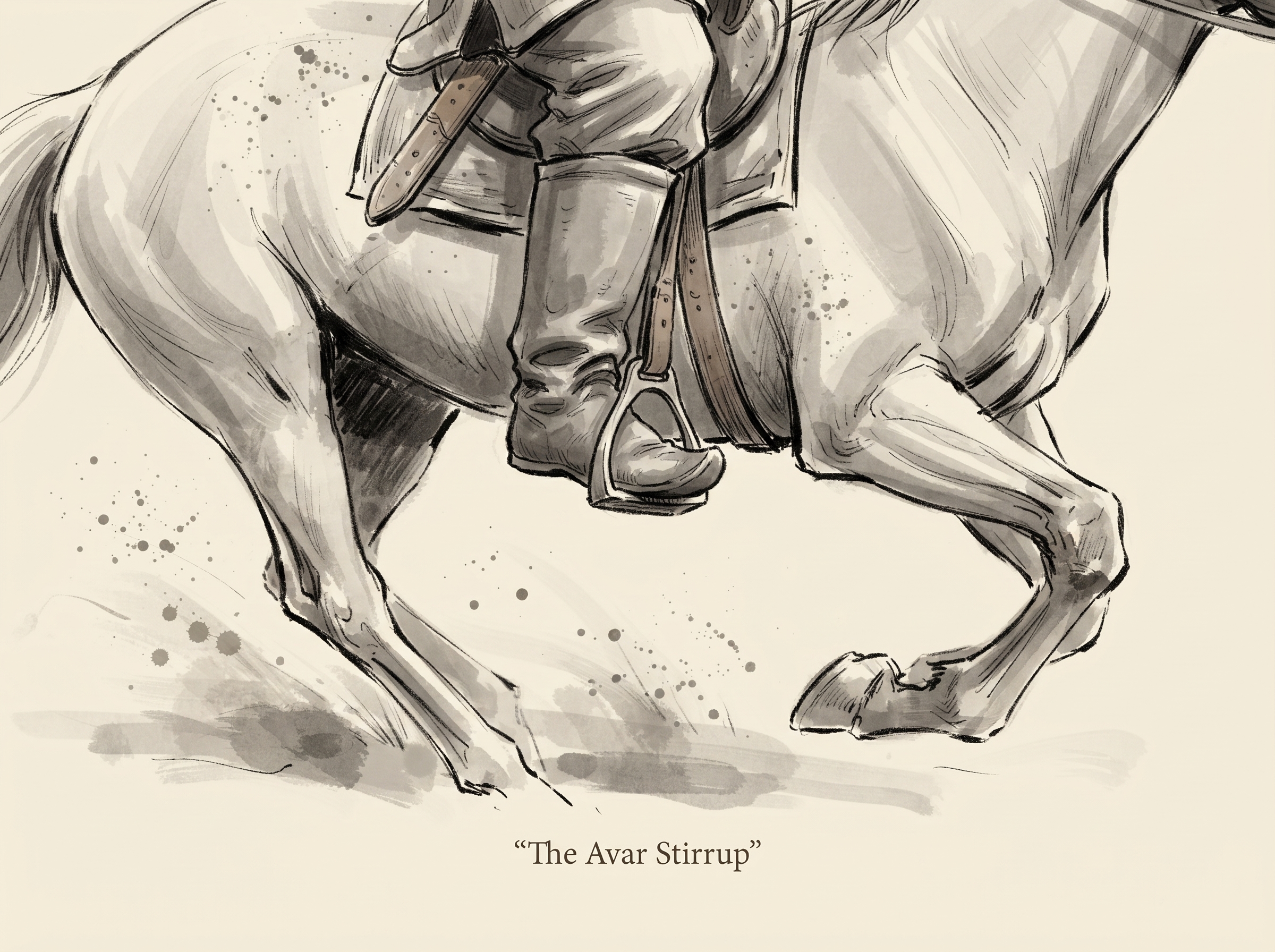
Penn, Russell and Wilson (2021) note that the earliest securely Avar stirrups date to about 600 and then appear in large numbers. Hundreds are known from Avar graves, against no more than seven Roman–Byzantine examples. Their conclusion is that the long-held idea of the Avars passing the stirrup to Byzantium rests on limited evidence. See Saddle and stirrup.
A Hungarian study on archers’ rings in Avar-period material from the Carpathian Basin exists in the University of Szeged catalogue.