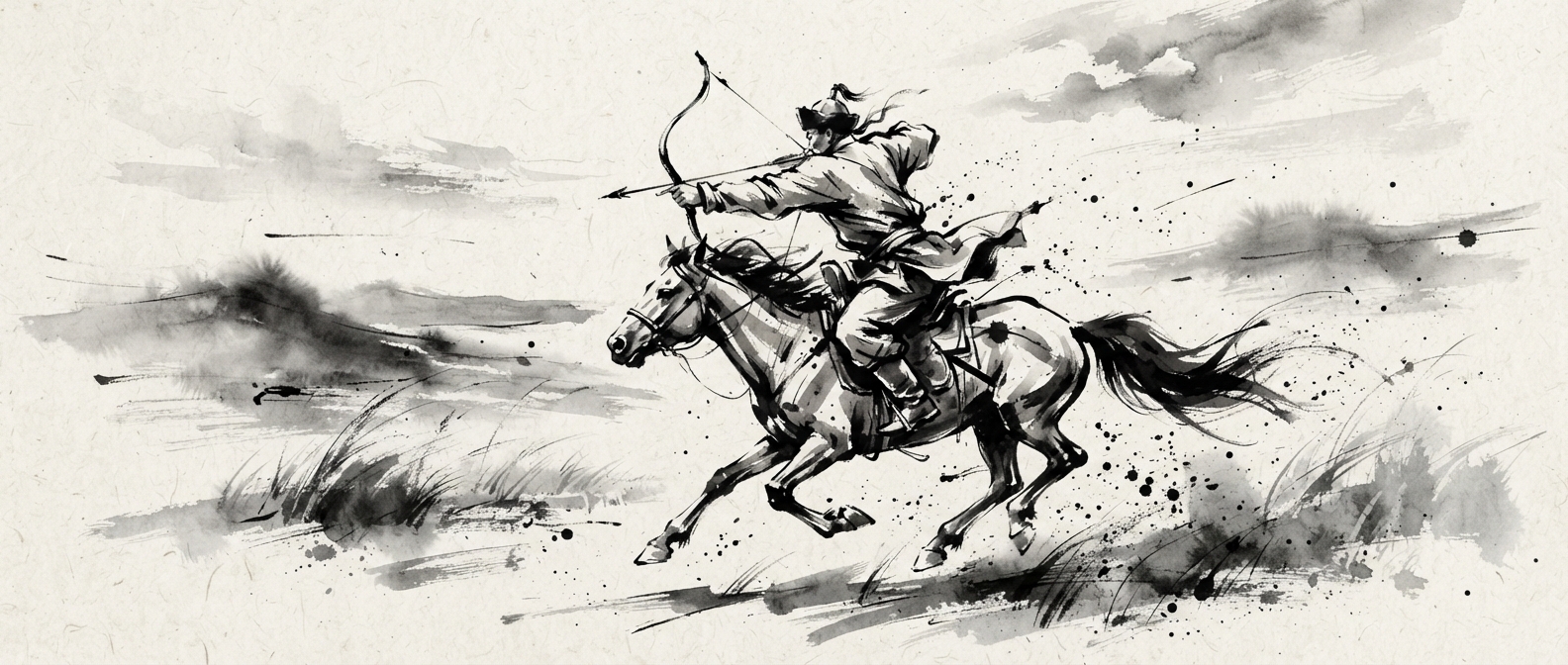
China met mounted archery as a frontier challenge, adopted it by reform, and under the Manchu Qing made it the core of the military examination.
Hu dress and mounted archery
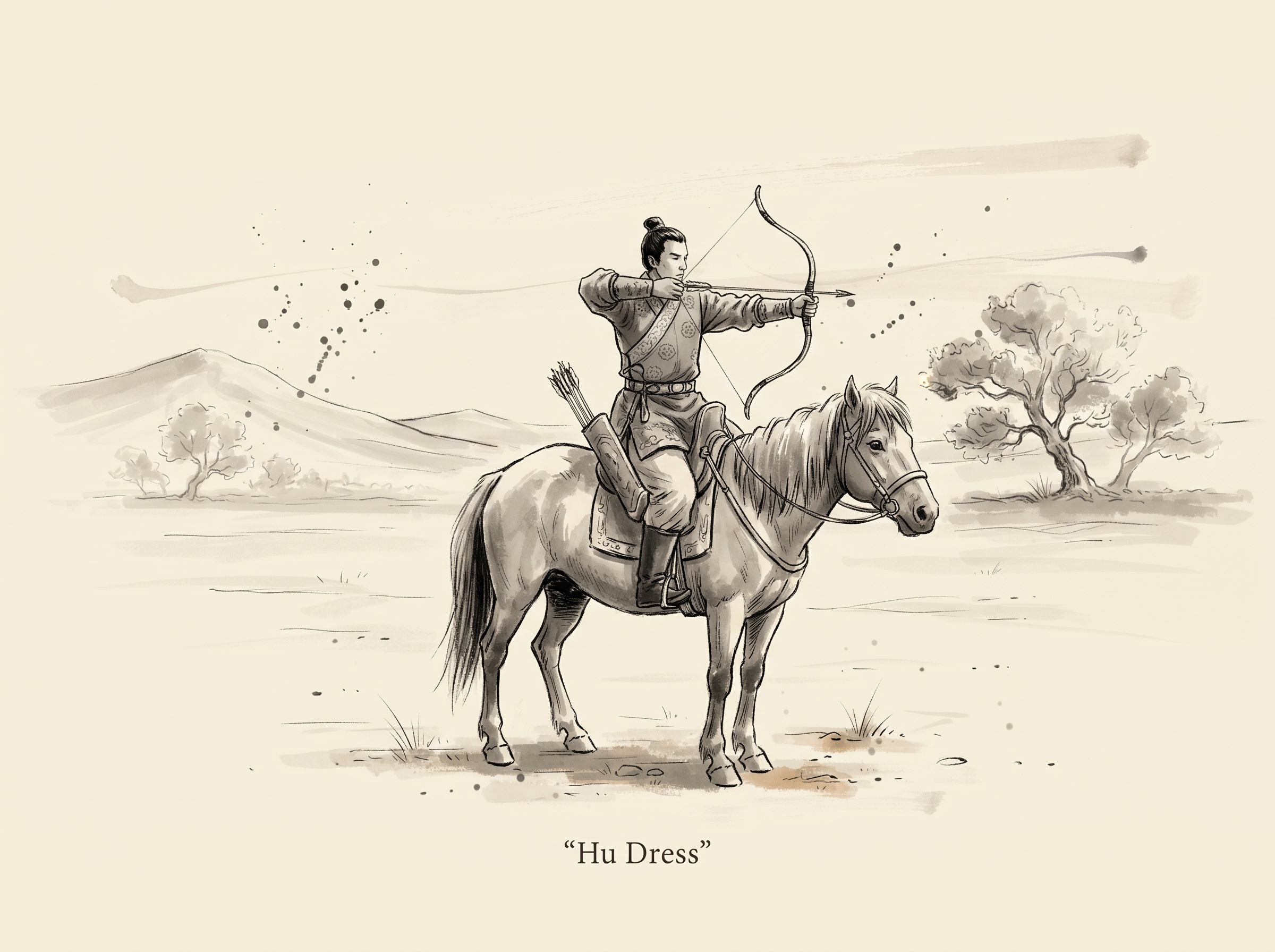
According to Wikipedia, citing the Cambridge History of Ancient China, King Wuling of Zhao introduced the hufu qishe reform (胡服騎射, “Hu dress and mounted archery”) in 307 BC: trousers, belts and boots, and a corps of mounted archers. His uncle protested against “adopting the dress of distant peoples and changing the old teachings”. The classical source is chapter 43 of Sima Qian’s Shiji. The Shiji (chapter 110) also tells how Modu Chanyu trained his warriors with whistling arrows to shoot wherever his own arrow flew, a narrative rather than archaeological evidence.
The Qing military examination
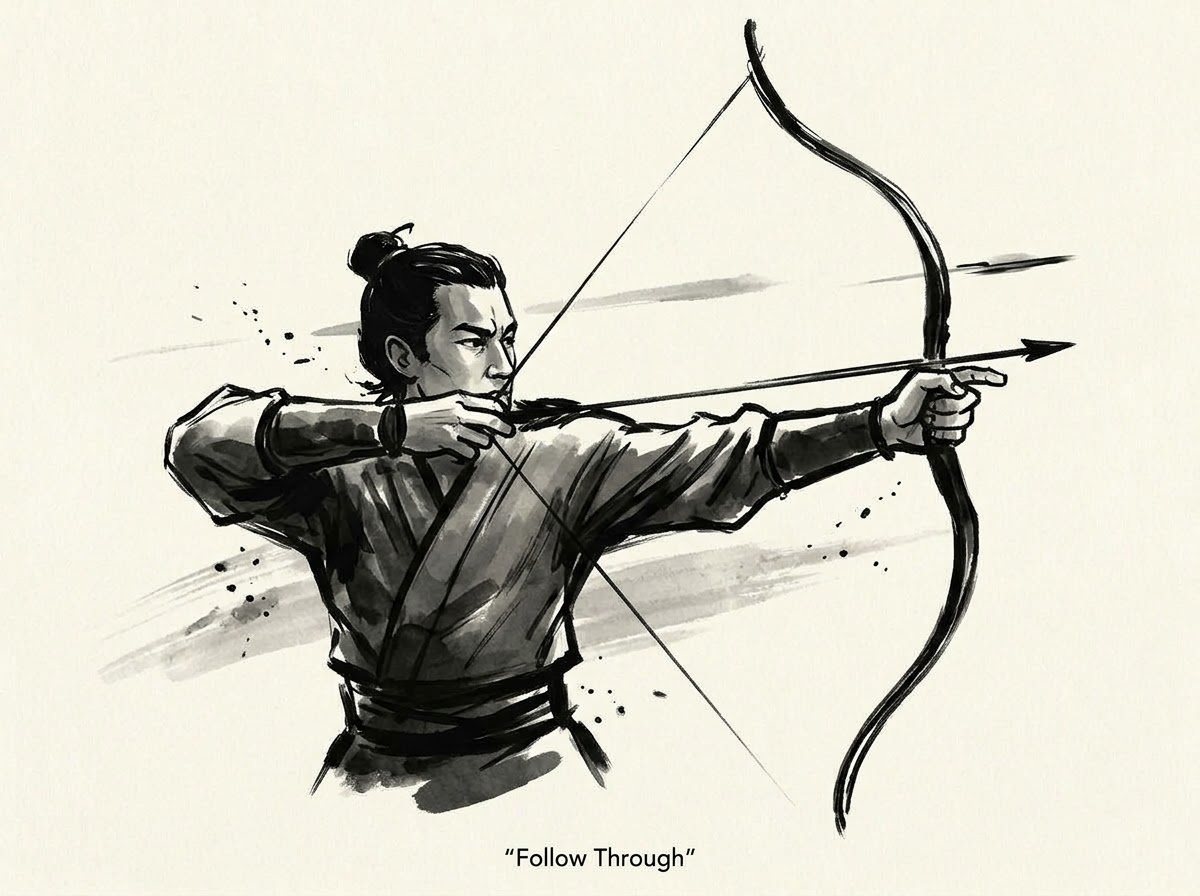
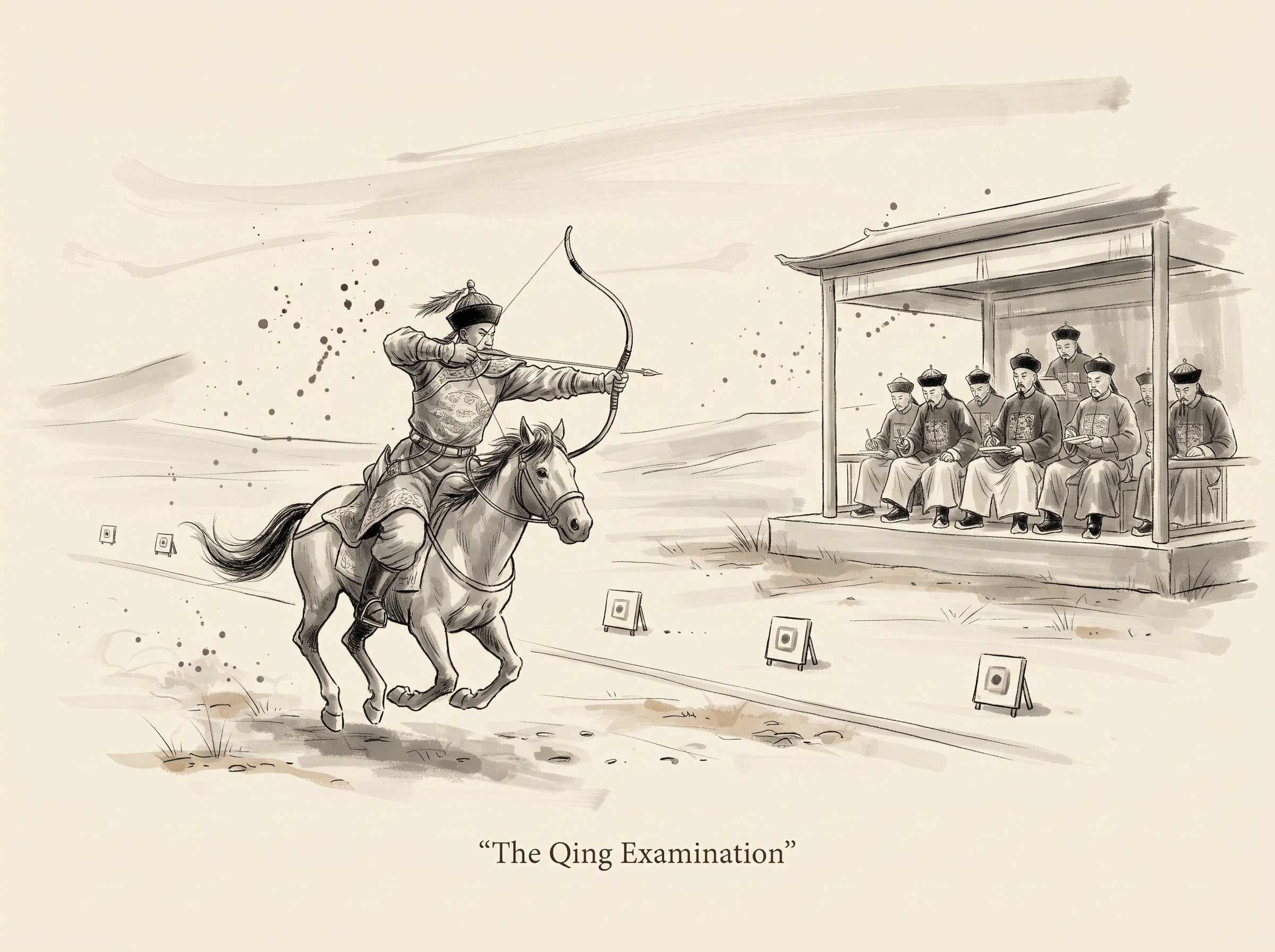
A provincial examination document of 1771 in the Academia Sinica archive shows three parts: shooting from horseback, shooting standing, then strategy and essays. The written part was cut back in 1710, 1759 and 1807, when it became copying of military texts. After the defeat of 1895, reform proposals of 1897–98 would have replaced the tests of bow, broadsword and stone-lifting with military schools and firearms examinations, but they failed with the Hundred Days’ Reform (Wei Ye, 2009).
Mark C. Elliott’s The Manchu Way (Stanford, 2001) is the standard study of how Manchu rule rested on ethnic distinctiveness and martial skills, and of efforts to revive the “Manchu way” as martial spirit declined.
