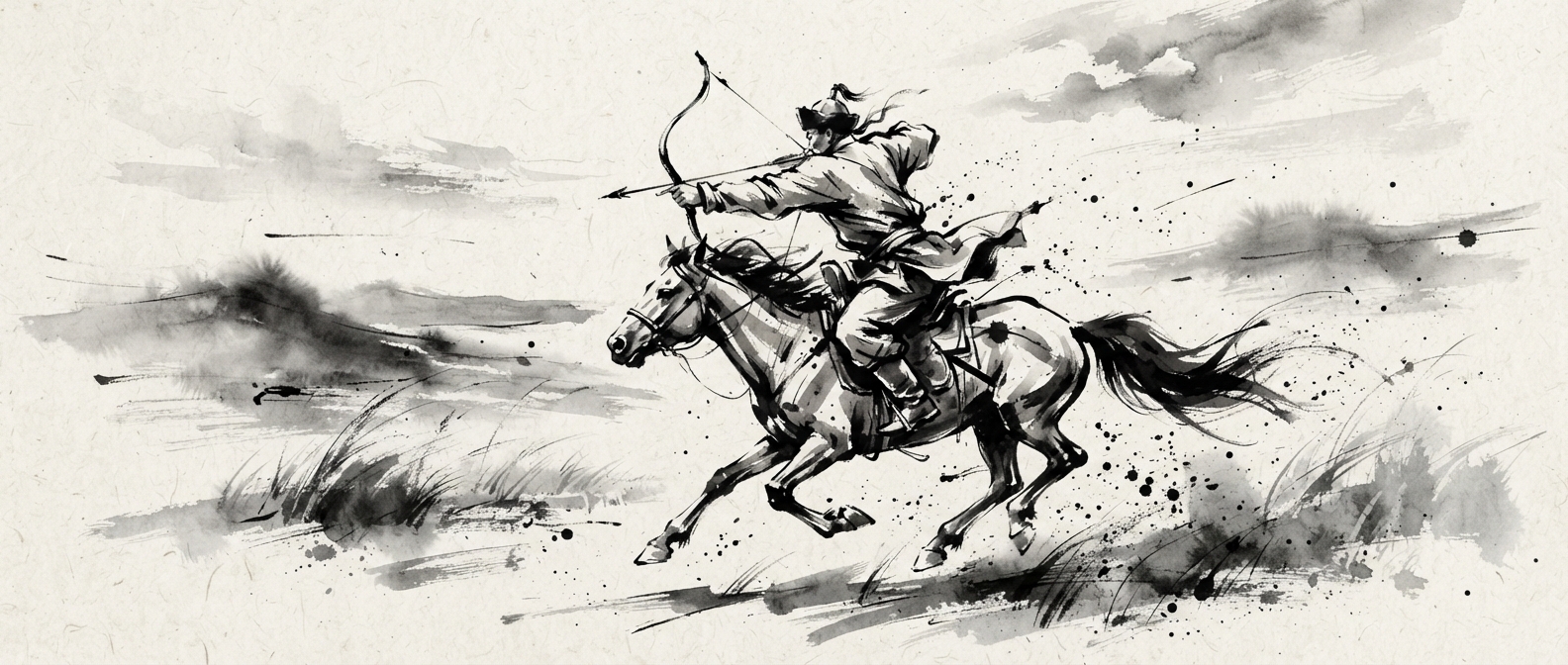
Korean gisa (騎射) means shooting from a galloping horse.
From Goguryeo to Joseon
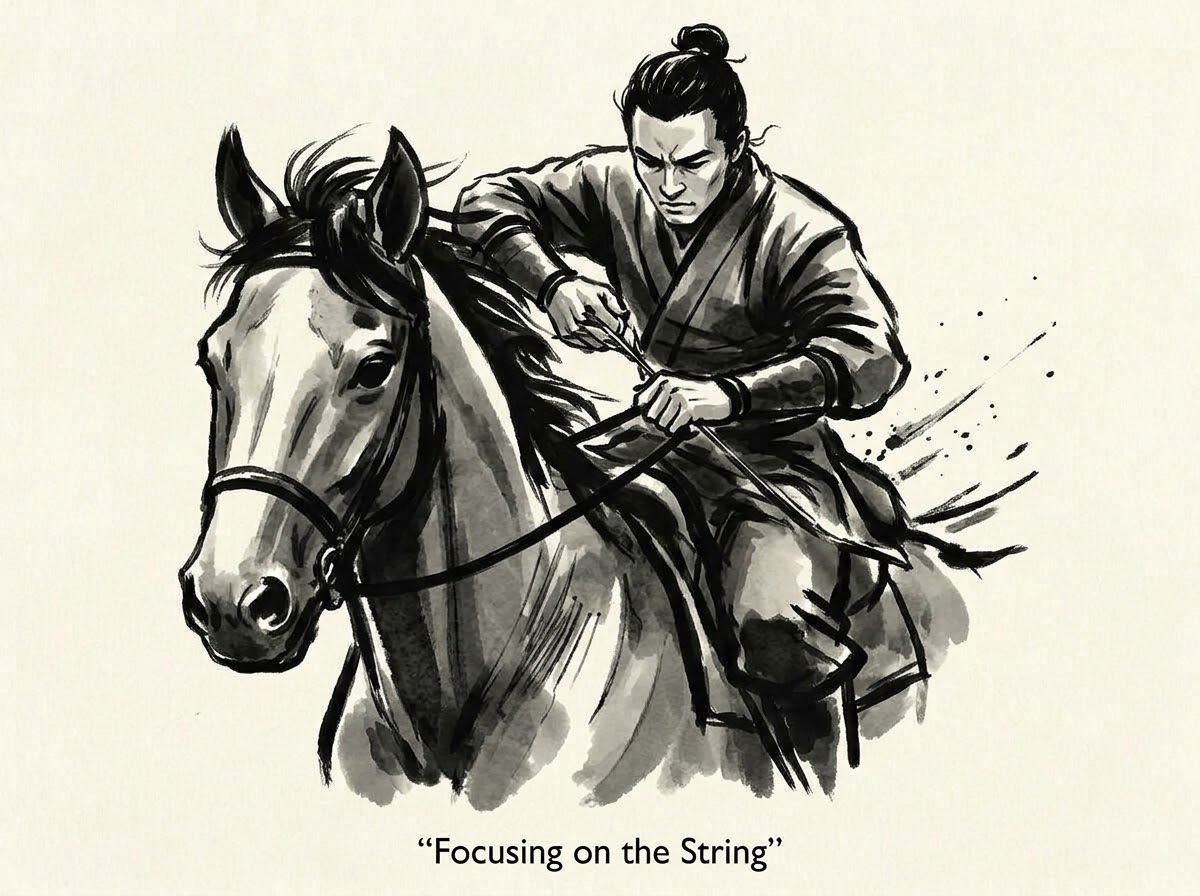
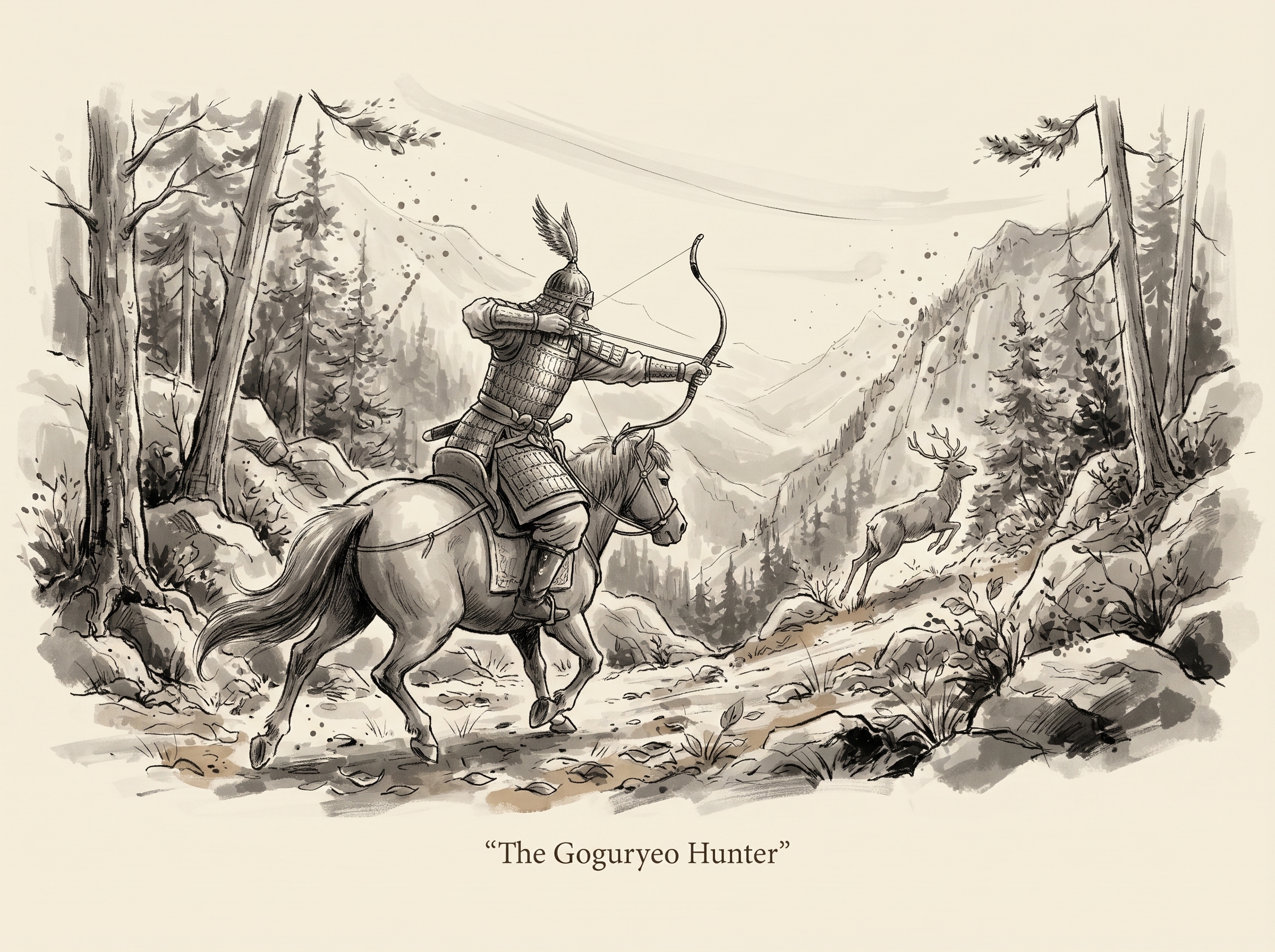
On the Goguryeo mural of the Muyongchong (“Tomb of the Dancers”) young riders draw their bows while chasing deer and tigers; riders chase deer in the Sasinchong tomb at Maesan-ri too. Goguryeo held spring and autumn hunting contests. In the Joseon military examination (mugwa) five straw targets were set 35 bo apart; the candidate shot five arrows for 5 points per hit, and a hit was void if the rider swerved after shooting or did not return in time. As firearms developed, gisa declined (Encyclopedia of Korean Culture).
A correction
The Muyedobotongji (1790), compiled at King Jeongjo’s order, lists 24 martial skills, six of them mounted: lance, double swords, glaive, flail, gyeokgu and equestrian acrobatics. Mounted archery is not among them. For Korean horse archery technique the examination rules are the key source.
Modern revival
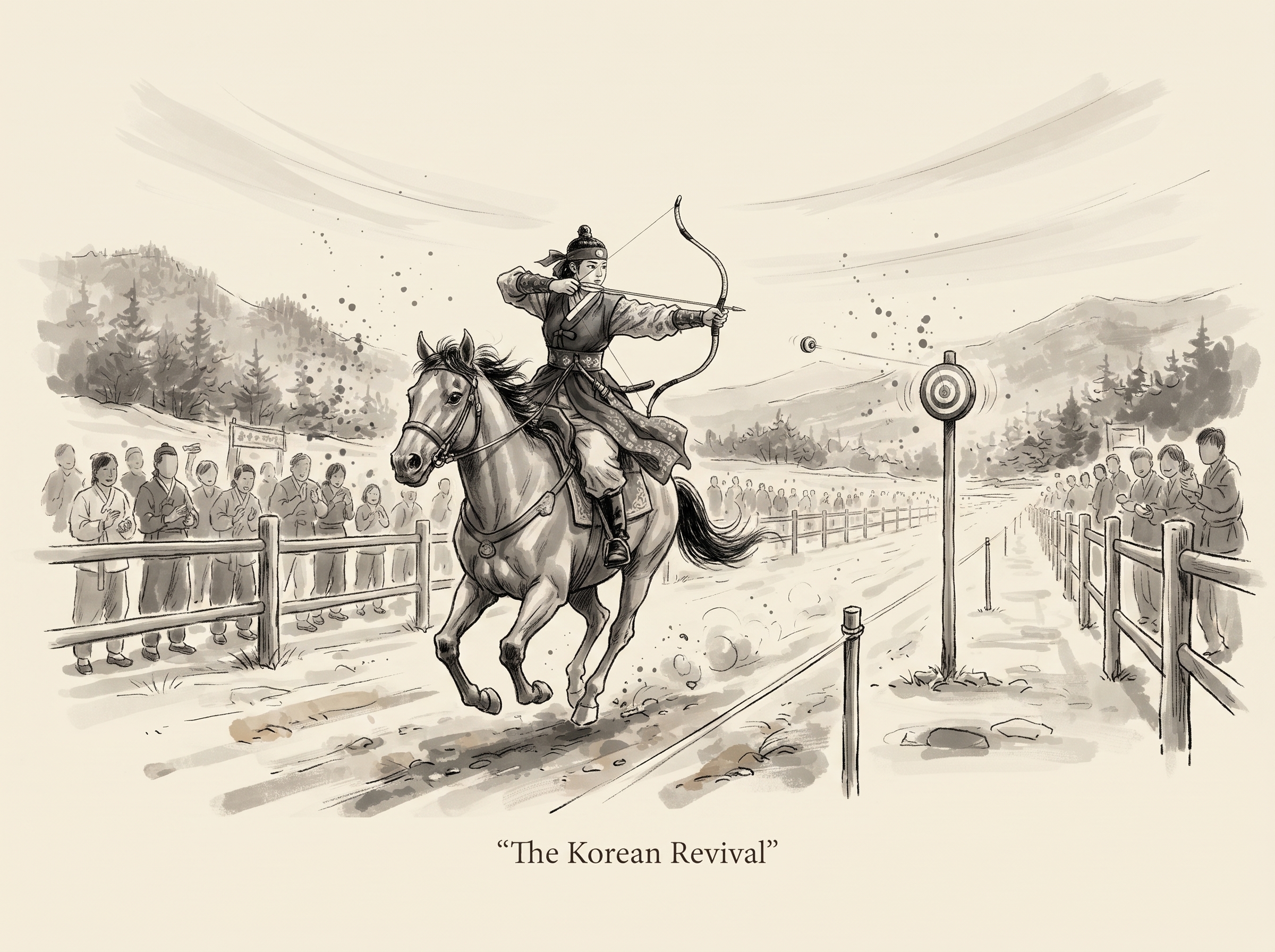
According to its own history page, the World Horseback Archery Federation was founded in Sokcho in 2006 under Kim Young-Sup (Wikipedia gives 2004). Horse Illustrated (2024) describes Kim Kwang Sik’s thirty years of work reviving traditional mounted martial arts. How these two strands relate is not clear from the sources.